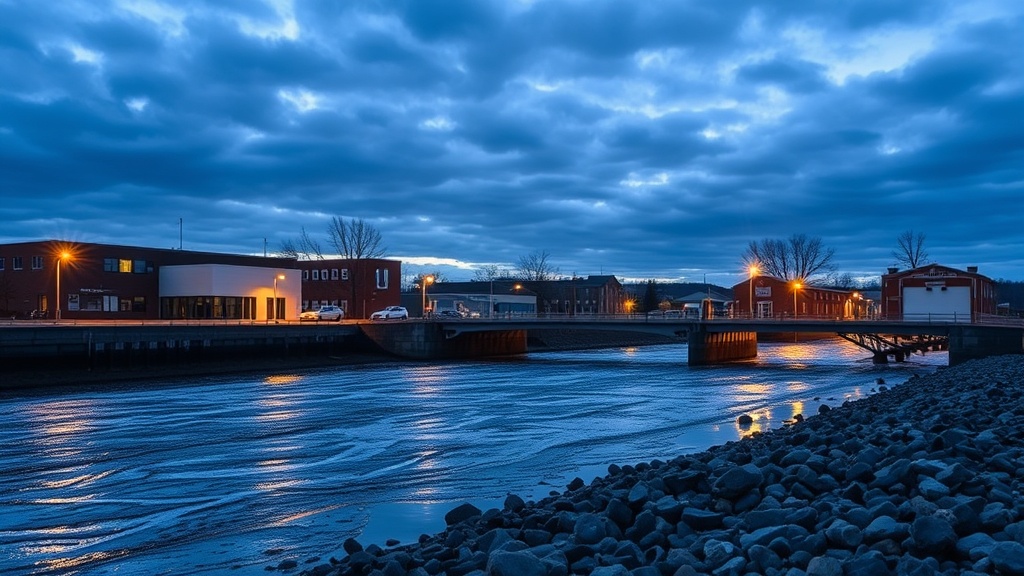
Managing Local Water and Infrastructure Issues in Swift Current

This post covers the practicalities of understanding local water management, municipal infrastructure, and how we can better engage with the systems that keep Swift Current running. We're looking at the realities of living in a prairie hub where water and road maintenance are constant topics of conversation at the local rink or the grocery store.
Living in Swift Current means we're all aware of how much the weather dictates our daily routines. Whether it's a heavy spring thaw or a sudden summer downpour, our city's infrastructure has to work hard to keep our streets dry and our basements safe. We aren't just talking about general weather; we're talking about the specific way our local drainage systems and municipal services handle the unique challenges of the south Saskatchewan landscape.
How does Swift Current handle seasonal water drainage?
One of the biggest concerns for many of us living in established neighbourhoods like the areas near Central Park or the newer developments near the north end is how water moves during a heavy storm. The city has specific protocols for managing runoff, but as our population grows, the pressure on these systems increases. We see it every year when the snow melts—suddenly, the gutters and storm drains become the most important parts of our streets.
The City of Swift Current works to maintain a network of storm sewers that prevent our residential streets from turning into temporary streams. If you've ever noticed a puddle that stays way too long on a street near 2nd Avenue SW, it might be a sign of a blocked drain or a need for more maintenance. It's a constant balancing act for our local government to keep up with the aging parts of our infrastructure while also building out new areas for our growing community.
Where can I report a blocked drain or road issue?
If you see something that looks off—a sinkhole starting to form on a side street or a drain that's completely clogged with debris—you shouldn't just wait for someone else to call it in. Our community relies on residents to be the eyes and ears on the ground. The best way to handle these issues is through the official channels provided by the City of Swift Current. You can often find direct contact info or report issues via the City of Swift Current official website to ensure the right crew gets dispatched.
For example, if a water main break occurs near the hospital or a major intersection, the response time is often dependent on how quickly the municipal crews are alerted. We've seen how important it is to be proactive. Don't assume the city knows about that crack in the pavement or that blocked culvert in your backyard; take the step to report it. It helps keep the whole system working better for everyone in Swift Current.
What are the current infrastructure priorities for our city?
There is always a lot of debate at community meetings about where our tax dollars should go. Should we be fixing the older water mains under our main thoroughfares, or should we be focusing on expanding services to the outskirts? It's a complex issue. The city's long-term planning involves a lot of coordination with provincial authorities to ensure we have the resources to maintain our roads and water systems.
For those interested in the technical side of things—like how our water treatment process works or how the local reservoir is managed—it's worth looking at the reports provided by the Saskatchewan Water Security Agency. Understanding the larger regional context helps us understand why certain local decisions are made. In Swift-Current, we aren't just dealing with local rain; we're part of a much larger watershed system that dictates our water availability and management strategies.
A common question we hear is about the long-term durability of our roads. With the freeze-thaw cycles we experience every single winter, the asphalt on our streets takes a beating. Whether you're driving down 4th Street SW or navigating the residential loops in the south end, you know the drill: patch and repair. It's an endless cycle, but it's part of the reality of living in a prairie city where the seasons are quite dramatic.
We also need to consider the impact of local development on our existing infrastructure. As new houses go up, the demand on our water and sewage systems shifts. It’s not just about building more; it’s about ensuring the foundation of Swift Current—our literal foundation of pipes and roads—is strong enough to support the people living here. This is a community-wide responsibility, and staying informed about our municipal projects is the best way to have your voice heard.
| Area of Concern | Typical Local Impact | Action Recommended |
|---|---|---|
| Storm Drainage | Street Flooding | Report blocked drains to the city |
| Road Maintenance | Potholes/Cracks | Use the municipal reporting line |
| Water Systems | Water Pressure Changes | Stay informed via city notices |
Ultimately, our ability to maintain a high quality of life in Swift Current depends on how well we manage these invisible systems. From the pipes under our feet to the roads we drive every day, these are the things that keep our community moving forward. Let's keep an eye on our streets and stay active in our local civic duties.