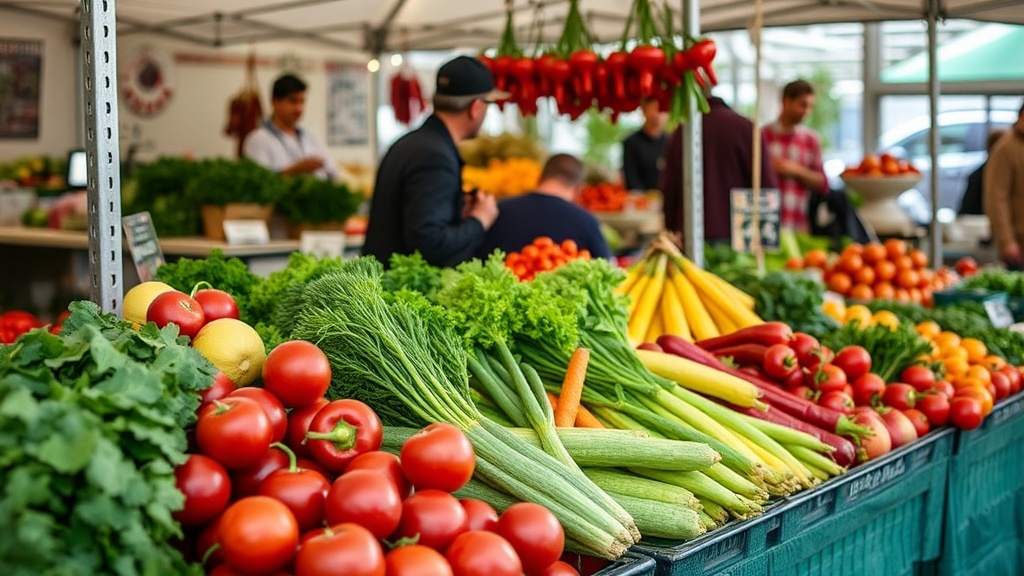
Picking the Best Local Seasonal Produce at the Swift Current Farmers Market

Imagine you're standing at the Swift Current Farmers Market on a Saturday morning, holding a heavy bag of produce, only to realize your strawberries are mushy by Tuesday or your kale is wilted before you even get it home. Picking the right produce isn't just about finding something that looks good; it's about understanding the seasonal rhythms of the Canadian Prairies to ensure you get the most value for your money. This guide breaks down exactly how to select the best seasonal fruits, vegetables, and much more at our local market.
The Swift Current Farmers Market is a staple for our community, but the selection changes drastically between the early spring thaw and the late autumn frost. If you don't know what to look for, you'll likely end up with overpriced, subpar goods. We're going to look at the specific signs of freshness for local staples and how to time your visits for the best haul.
How Do I Know if Local Produce is Actually Fresh?
The most reliable way to check for freshness is to use your senses—sight, smell, and touch—rather than just looking at the price tag. If you're buying greens like spinach or kale, look for vibrant, deep colors and avoid any leaves that appear translucent or slimy. For root vegetables like carrots or beets, the weight is a big indicator; a heavy beet usually means it's full of moisture and hasn't sat in a bin too long.
When it comes to fruit, don't be afraid to give things a gentle squeeze (but don't crush them!). A peach should give slightly under pressure, while a berry should have a firm, matte finish rather than a shiny, wet one. Shiny berries often mean they've been sitting in too much moisture and are starting to break down.
Here is a quick cheat sheet for your next trip:
- Leafy Greens: Look for crisp stems and no yellowing edges.
- Root Vegetables: Avoid any signs of soft spots or sprouting tops.
- Berries: Choose fruit that is uniform in color and free of mold.
- Stone Fruit: A slight, pleasant fragrance is a great sign of ripeness.
One thing to watch out for is the "waxiness" on some vegetables. While some produce has a natural sheen, a heavy, artificial-looking coating can sometimes hide bruises or imperfections. If a vegetable feels unnaturally heavy or light for its size, it's a red flag.
What is in Season in Swift Current Right Now?
Seasonal availability in the Prairies follows a very specific window dictated by our short growing season and unpredictable weather. You won't find fresh heirloom tomatoes in May, and you shouldn't expect local berries in early April. Knowing this prevents the frustration of showing up to the market only to find empty stalls or overpriced imports.
The following table outlines the general seasonal rhythm for our region. While a sudden heatwave might shift things by a week or two, this is your baseline:
| Season | Primary Produce | What to Look For |
|---|---|---|
| Early Spring | Root vegetables, hardy greens, eggs | Firmness in roots, bright yolk color in eggs |
| Summer | Berries, cucumbers, zucchini, tomatoes | Aroma, vibrant colors, firm texture |
| Late Summer/Fall | Squash, pumpkins, apples, hearty greens | Weight, skin thickness, sturdy stems |
If you're looking for more technical details on how crops grow in our specific climate, the agricultural standards in Canada provide a great look at the challenges and successes of prairie farming. It helps to understand that our growing window is much tighter than the provinces to our south.
During the peak of summer, the market is a goldmine. This is when you'll see the best quality cucumbers and peppers. If you see high-quality produce, buy it. It's much better than waiting until the end of the season when everything is getting soft and bruised.
How Much Does Local Produce Cost at the Market?
Prices at the Swift current Farmers Market vary based on the current harvest and the specific vendor, but you can generally expect to pay a slight premium over the big-box grocery stores in exchange for superior quality and local support. While a carton of eggs might cost a bit more than the generic brand at a large supermarket, the nutritional density and freshness of local, pasture-raised eggs are often significantly higher.
Don't be surprised if prices jump during a week of bad weather. If a heavy frost hits the region, the supply of certain greens or berries will drop, and you'll see that reflected in the cost. It's a living system. One week you might get a great deal on strawberries, and the next, they might be a luxury item.
To get the most out of your budget, I recommend a few strategies:
- Buy the "Ugly" Produce: Some vendors might offer discounts on fruit that is perfectly edible but looks a bit wonky.
- Go Late in the Session: Sometimes, vendors will lower prices toward the end of the market hours to move remaining stock.
- Stick to the Staples: Instead of buying expensive exotic imports, focus on the heavy hitters like potatoes, onions, and seasonal squash.
It's also worth noting that buying in bulk—like a whole bag of potatoes or a larger flat of berries—can often save you a few dollars per unit. Just make sure you have a plan to use them before they go bad in your pantry.
If you're looking to pair your fresh finds with a great meal, you might enjoy finding a great coffee spot nearby to enjoy a morning treat while you shop. It makes the whole experience feel more like a ritual than a chore.
How Should I Store My Purchases to Make Them Last?
Proper storage is the difference between a week of delicious meals and a pile of compost. Once you get your haul home, don't just throw everything into the crisper drawer and forget about it. Different items have very different needs regarding temperature and moisture.
For example, many people make the mistake of putting their tomatoes in the fridge immediately. This is a mistake. Cold temperatures can ruin the texture and kill the flavor of a tomato. Keep them on the counter instead. On the other hand, your leafy greens will thrive in the humidity of a refrigerator drawer, ideally wrapped in a slightly damp paper towel to prevent wilting.
Here are a few storage rules of thumb:
- Potatoes and Onions: Keep them in a cool, dark, dry place. Never store them together, as the gases from onions will cause potatoes to sprout faster.
- Berries: Keep them in the fridge, but don't wash them until you're actually ready to eat them. Moisture is the enemy of a long shelf life.
- Hard Squash: These can live on your counter for months if kept in a cool, dry spot.
If you're buying more than you can use in a week, consider freezing. Most of the vegetables found at our local market—like corn or peppers—can be blanched and frozen for later use. This is a great way to extend the taste of summer into the long, cold prairie winter.
For more information on food safety and proper storage guidelines, the Government of Canada food safety page offers excellent advice on handling and storing fresh goods safely.
The next time you head down to the market, take an extra minute to look at the produce through a critical lens. Check the weight, smell the fruit, and remember that the best stuff is usually the stuff that's currently in peak season for our local farmers. It's a better way to shop, and a better way to support our community.
Steps
- 1
Check the Seasonal Calendar
- 2
Arrive Early for the Best Selection
- 3
Bring Reusable Bags and Cash
- 4
Ask Vendors About Harvest Dates